Complete History of Palácio da Pena
Journey through royal vision, Romanticism, and the cultural rebirth of Sintra.
Table of Contents
Origins & Construction
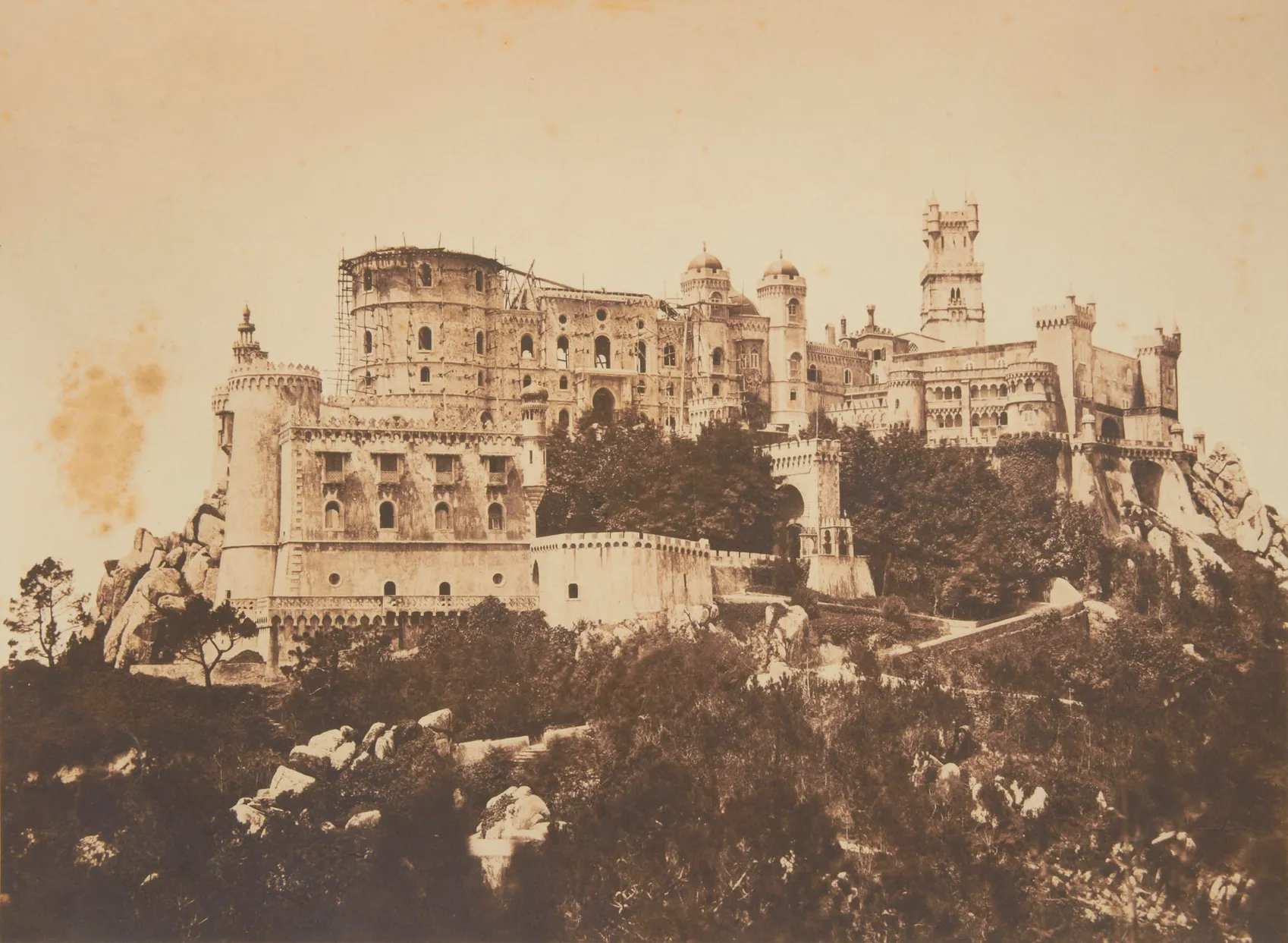
Palácio da Pena was commissioned by King Ferdinand II, who transformed the ruins of a monastery into a royal palace between 1842 and 1854.
It became one of the first Romantic-style palaces in Europe, predating even Neuschwanstein Castle in Germany.
King Ferdinand’s Vision
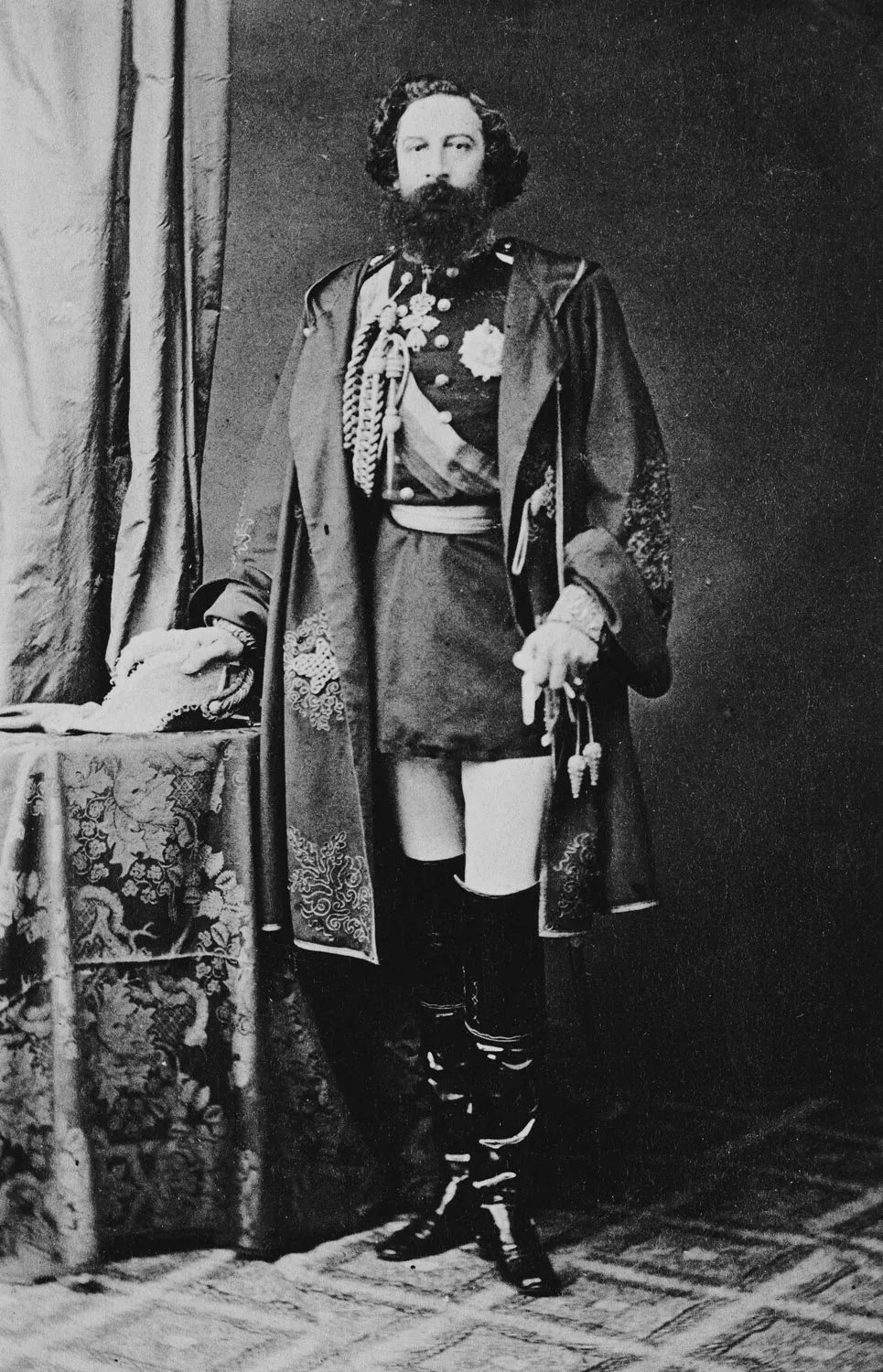
Ferdinand II, known as the 'Artist King', envisioned a palace that reflected creativity, fantasy, and cultural synthesis.
His personal involvement in design decisions shaped the palace’s distinctive blend of styles and colors.
Architectural Styles
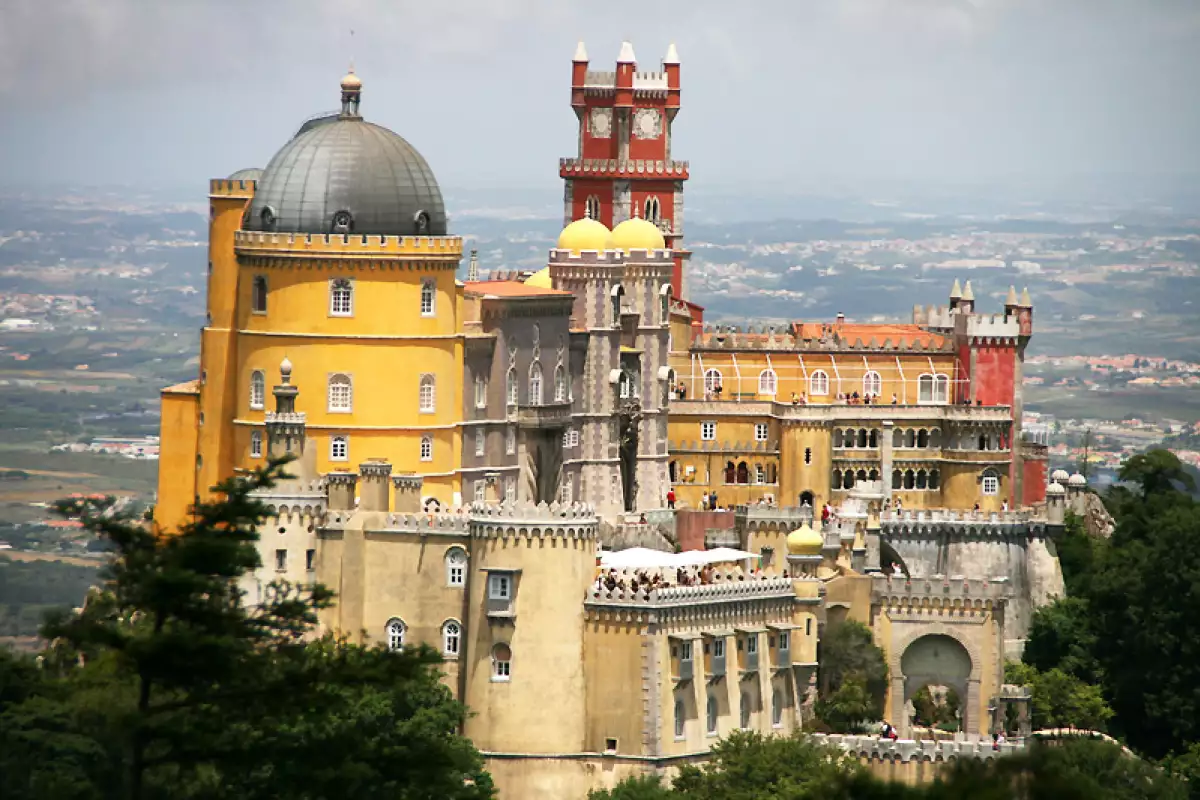
The palace blends Gothic, Manueline, Moorish, and Renaissance elements.
This eclectic composition makes it a hallmark of European Romanticism.
The Chapel & Monastery Roots
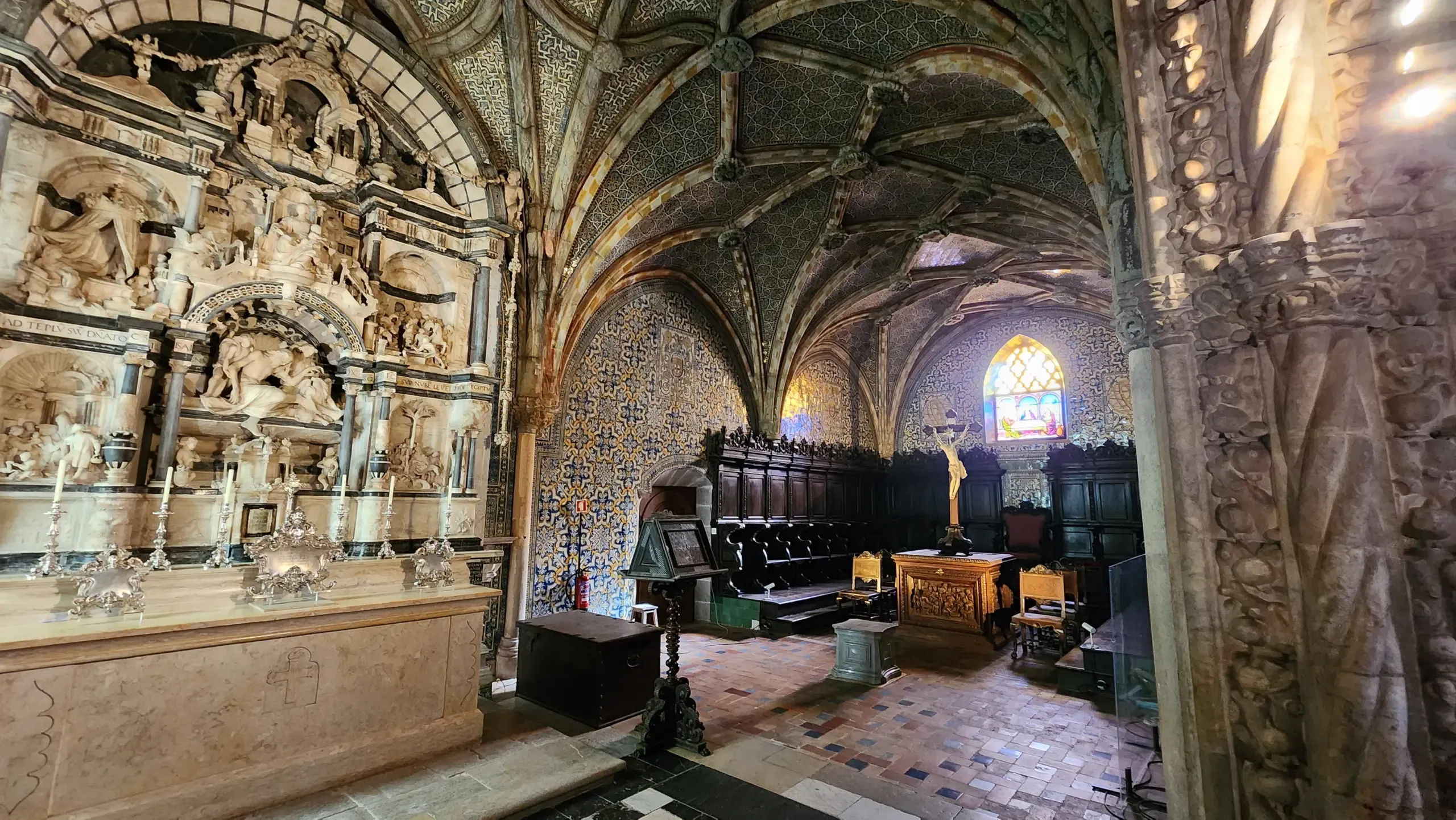
At its core lies the 16th-century chapel dedicated to Our Lady of Pena, preserved from the original monastery.
Its altarpiece and vaults remain some of the most sacred and historic parts of the palace.
Romantic Gardens
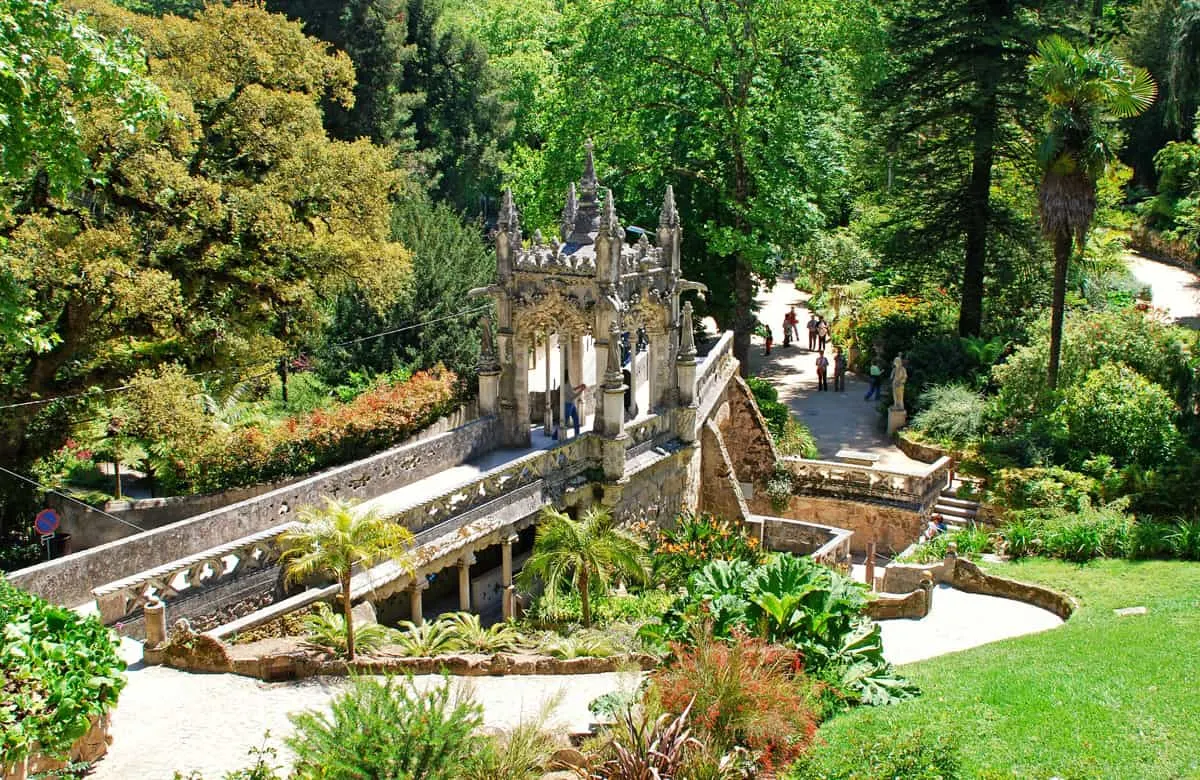
Surrounding the palace is the Parque da Pena, a vast forested park with exotic plants from around the world.
Designed to evoke Romantic ideals of nature and mystery, it features lakes, viewpoints, and hidden follies.
Royal Residents
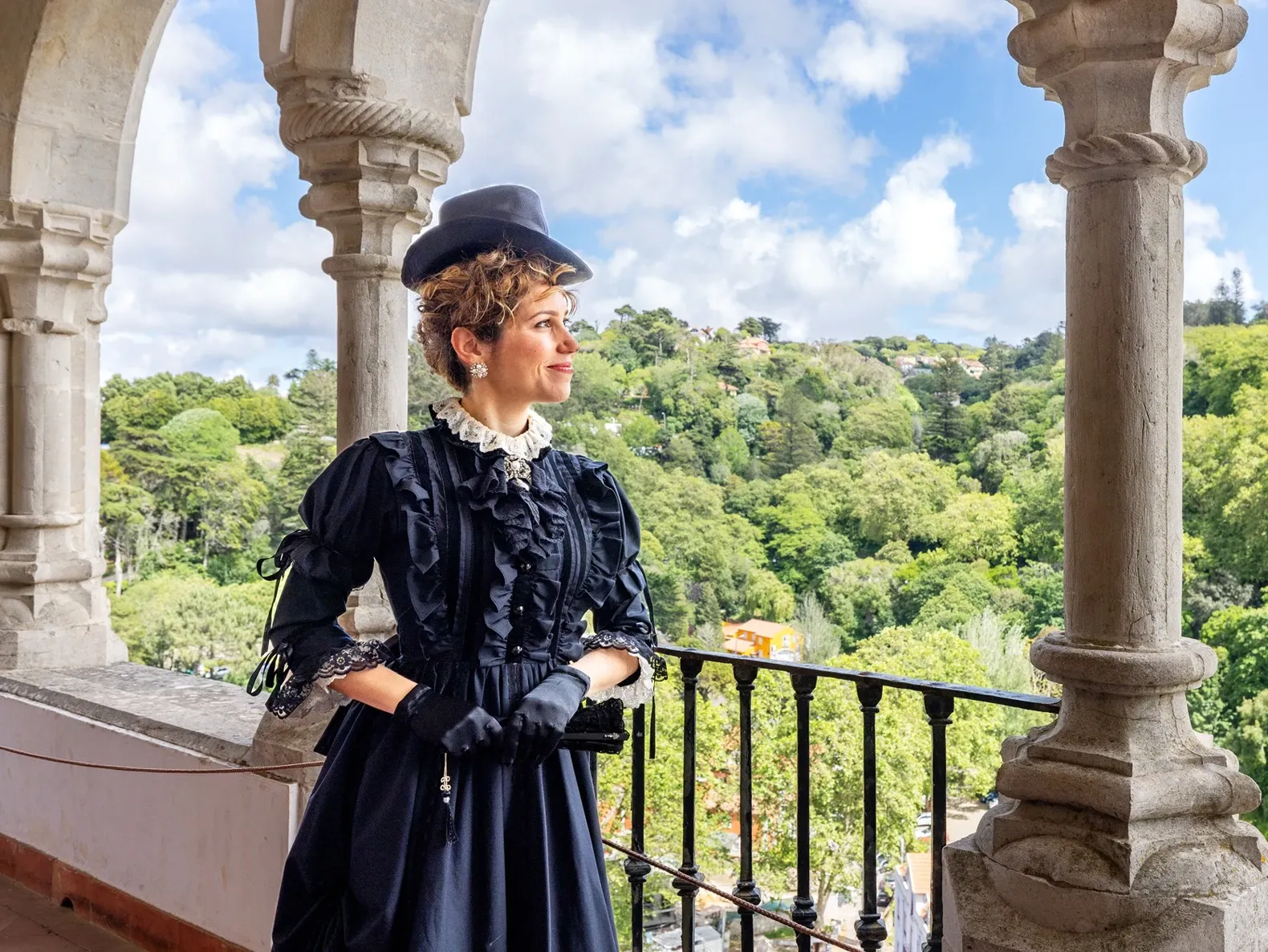
The palace was a summer retreat for the royal family, including Queen Maria II and later King Carlos I.
It remained a royal residence until the Portuguese monarchy was abolished in 1910.
Symbolism & Decoration
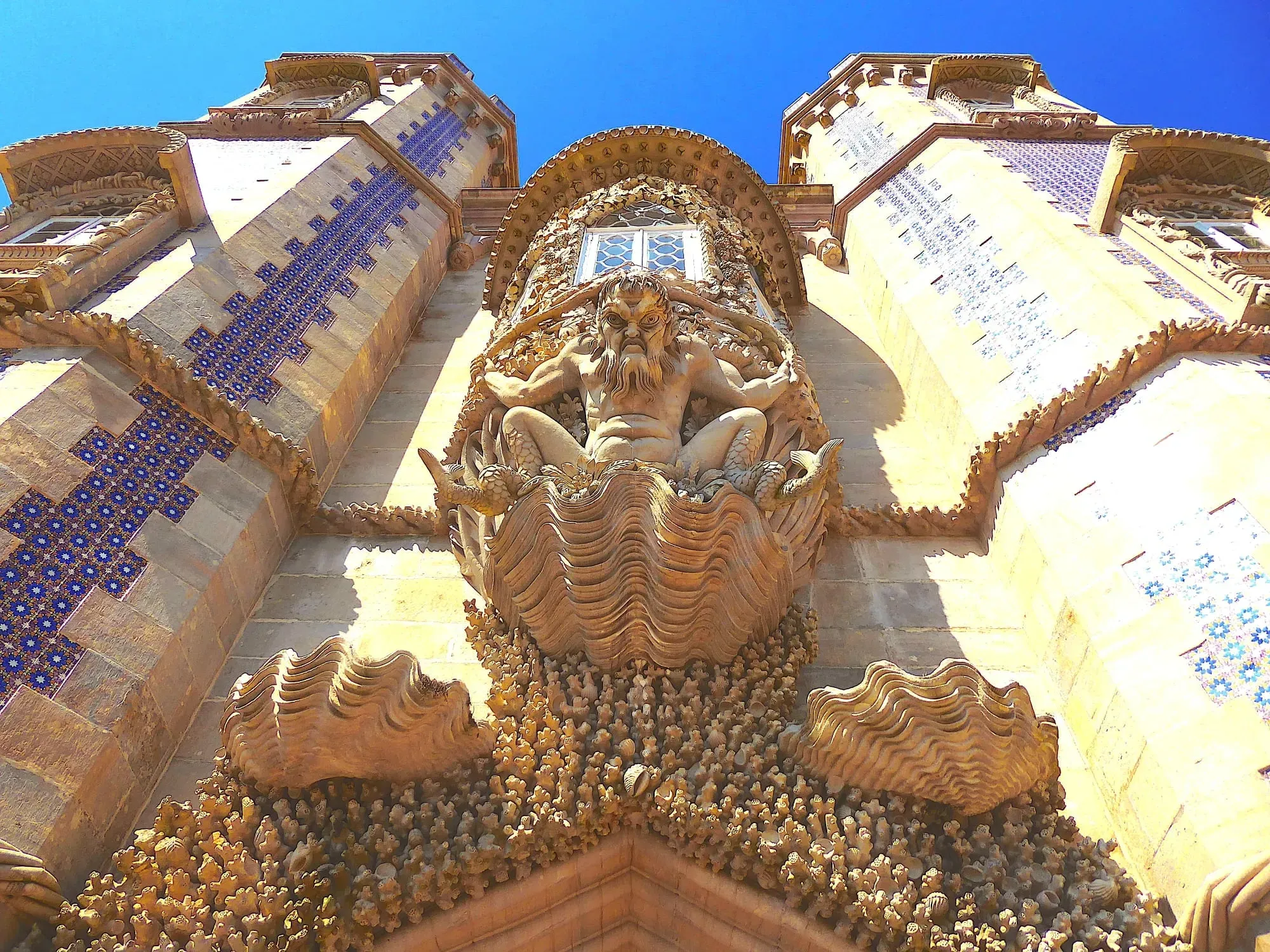
Many architectural details, such as mythological creatures and allegorical motifs, reflect the Romantic fascination with imagination and symbolism.
Each tower and courtyard tells a story inspired by Portuguese identity and European art.
The Republic Era
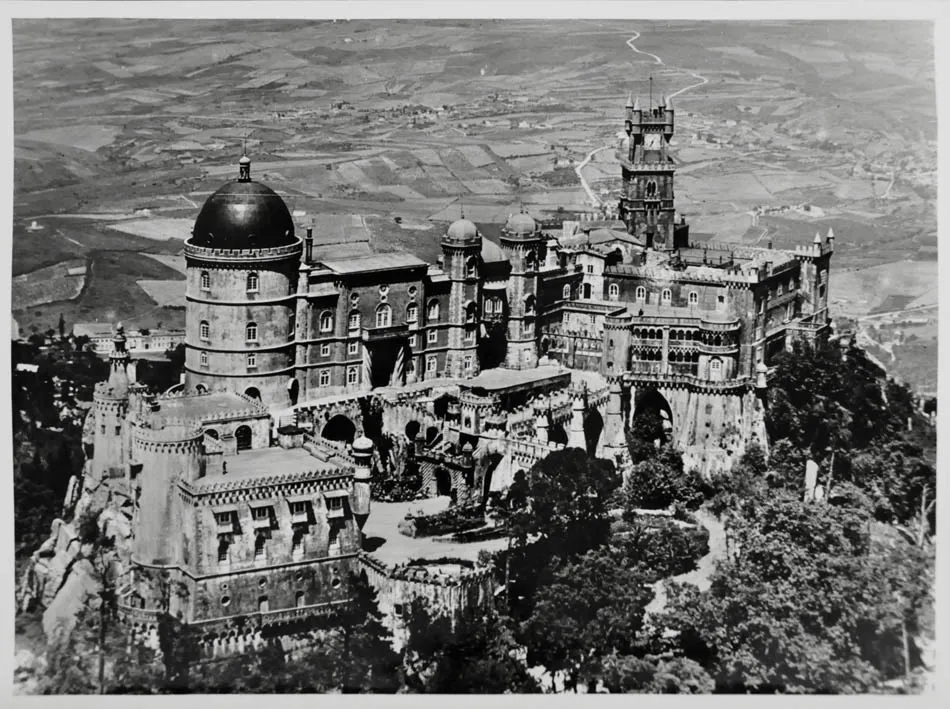
After the monarchy’s fall, the palace became a national monument and opened to the public.
It was preserved as a museum, showcasing Portugal’s royal history.
Restoration & Preservation
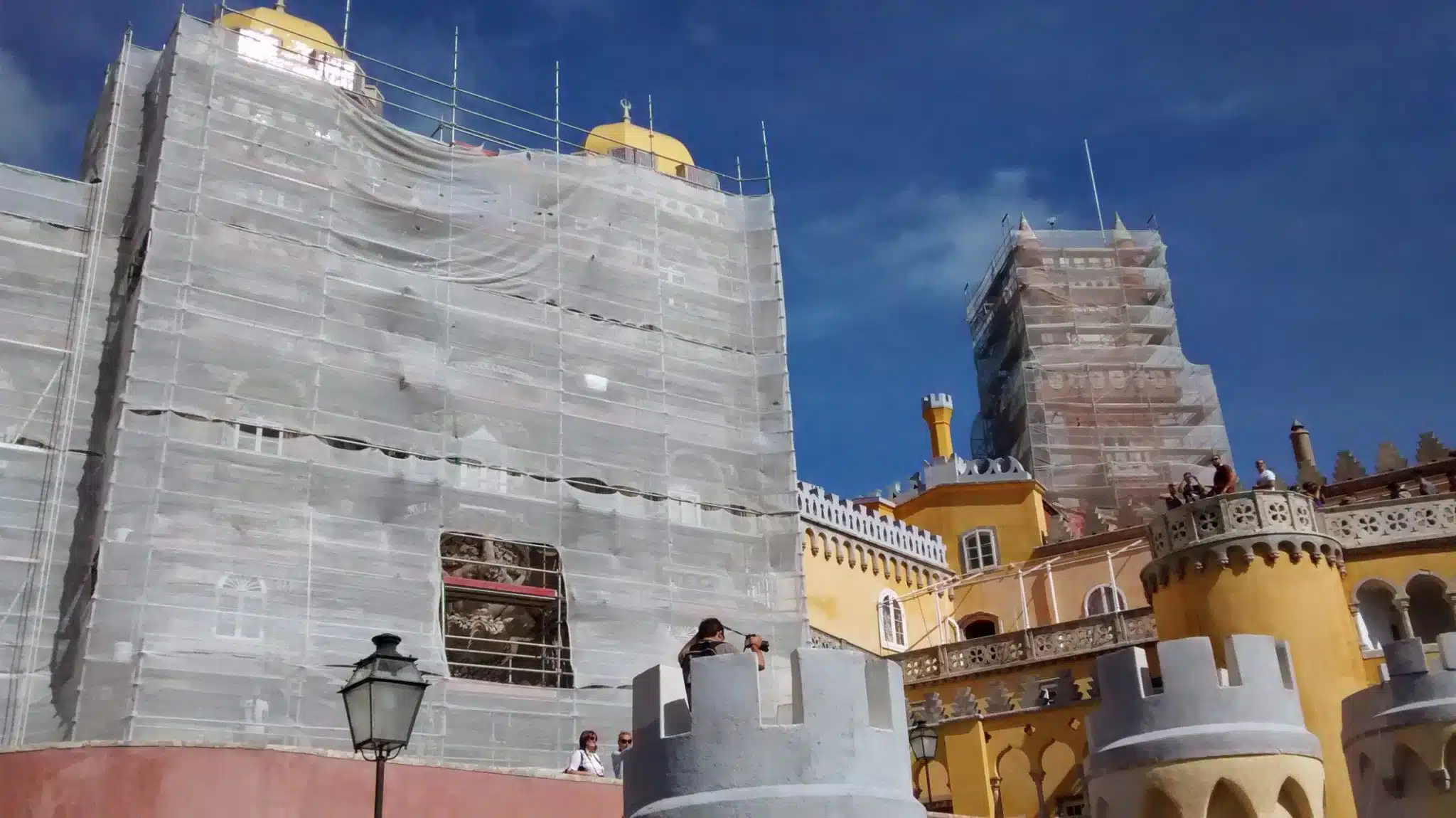
Continuous restoration ensures the palace’s vibrant colors and structural integrity are maintained.
Conservation teams work to protect its tiles, paintings, and natural surroundings.
UNESCO Recognition
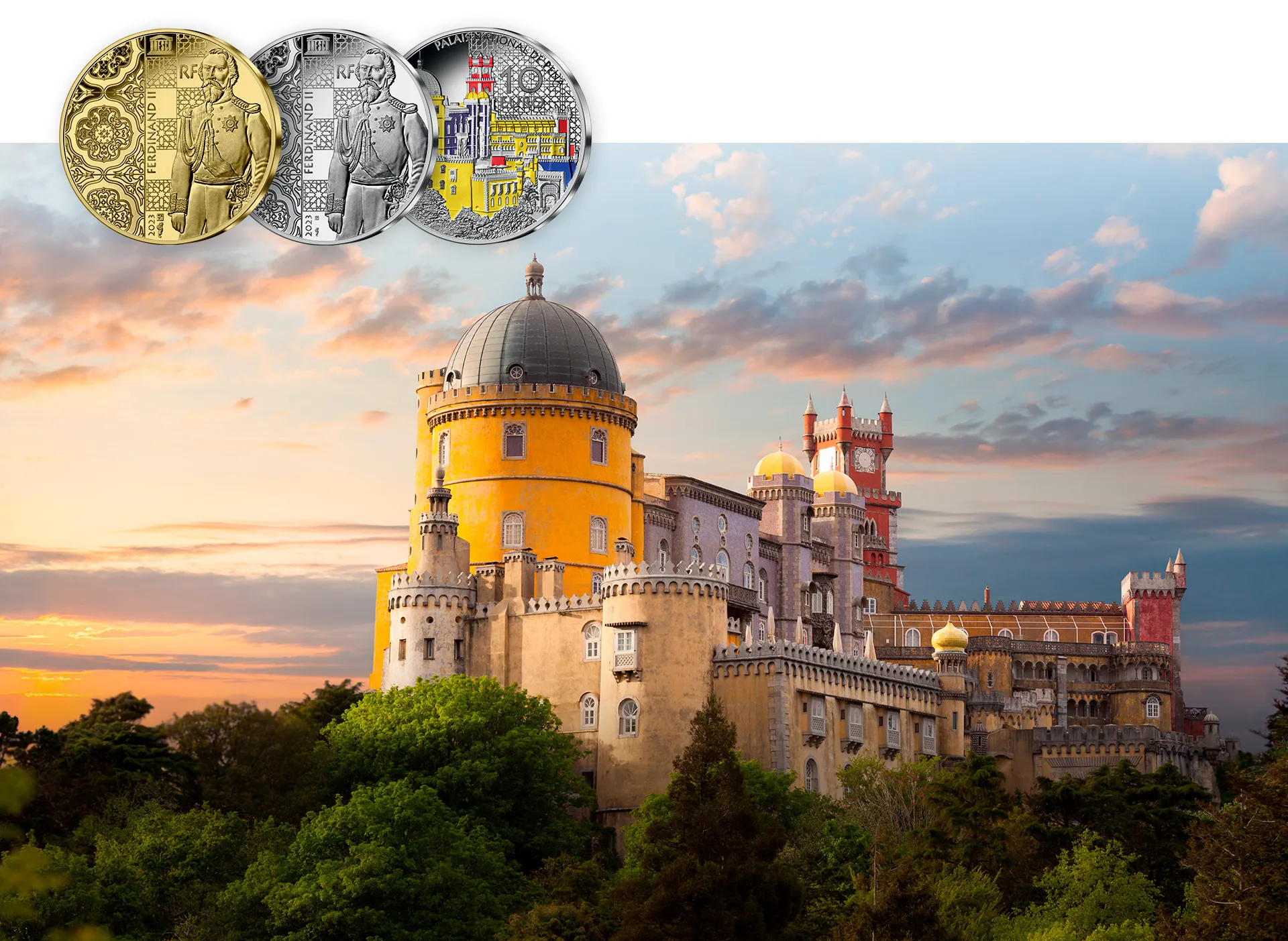
In 1995, Sintra’s Cultural Landscape, including Palácio da Pena, was recognized as a UNESCO World Heritage Site.
It symbolizes the harmony between human creativity and natural beauty.
Visitor Experience Through Time
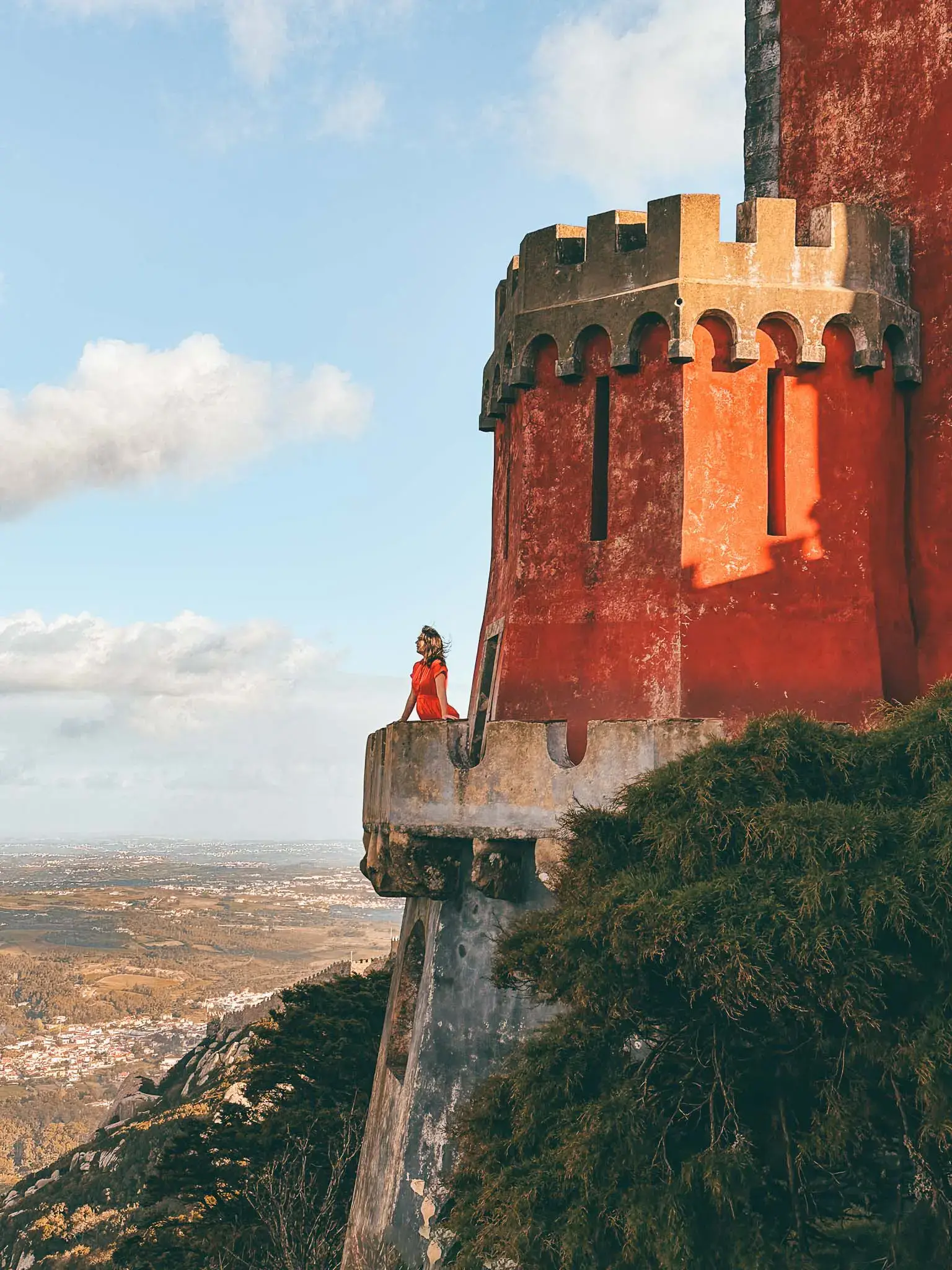
From royal guests to modern tourists, Palácio da Pena continues to inspire awe and wonder.
Its terraces and halls offer a journey through art, history, and imagination.
Digital Projects & Future
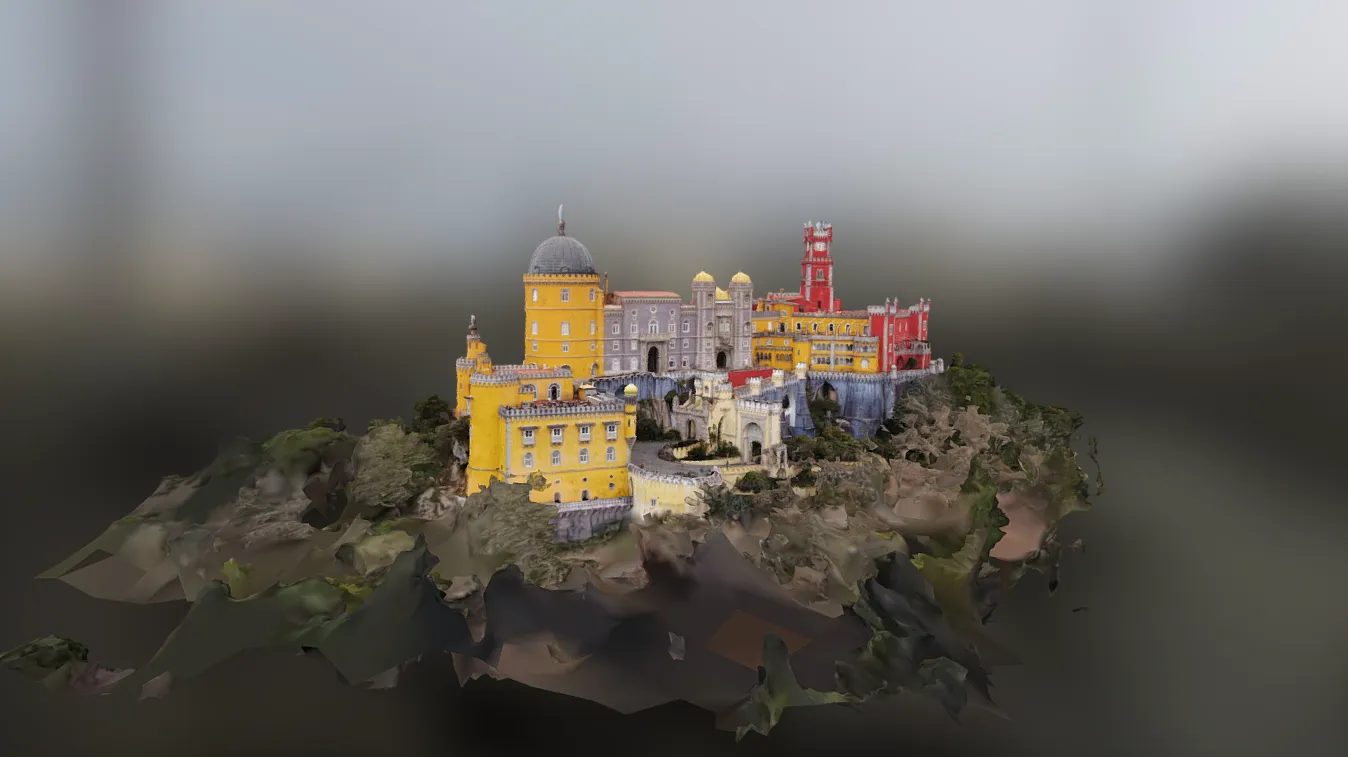
Digital reconstructions and 3D models bring the palace’s history to life for global audiences.
Ongoing projects aim to preserve its legacy and expand educational access.
Palácio da Pena in Popular Culture

The palace has inspired filmmakers, artists, and architects worldwide with its fairytale design.
It continues to appear in documentaries, books, and artworks about Romantic Europe.
Table of Contents
Origins & Construction
Palácio da Pena was commissioned by King Ferdinand II, who transformed the ruins of a monastery into a royal palace between 1842 and 1854.
It became one of the first Romantic-style palaces in Europe, predating even Neuschwanstein Castle in Germany.
King Ferdinand’s Vision
Ferdinand II, known as the 'Artist King', envisioned a palace that reflected creativity, fantasy, and cultural synthesis.
His personal involvement in design decisions shaped the palace’s distinctive blend of styles and colors.
Architectural Styles
The palace blends Gothic, Manueline, Moorish, and Renaissance elements.
This eclectic composition makes it a hallmark of European Romanticism.
The Chapel & Monastery Roots
At its core lies the 16th-century chapel dedicated to Our Lady of Pena, preserved from the original monastery.
Its altarpiece and vaults remain some of the most sacred and historic parts of the palace.
Romantic Gardens
Surrounding the palace is the Parque da Pena, a vast forested park with exotic plants from around the world.
Designed to evoke Romantic ideals of nature and mystery, it features lakes, viewpoints, and hidden follies.
Royal Residents
The palace was a summer retreat for the royal family, including Queen Maria II and later King Carlos I.
It remained a royal residence until the Portuguese monarchy was abolished in 1910.
Symbolism & Decoration
Many architectural details, such as mythological creatures and allegorical motifs, reflect the Romantic fascination with imagination and symbolism.
Each tower and courtyard tells a story inspired by Portuguese identity and European art.
The Republic Era
After the monarchy’s fall, the palace became a national monument and opened to the public.
It was preserved as a museum, showcasing Portugal’s royal history.
Restoration & Preservation
Continuous restoration ensures the palace’s vibrant colors and structural integrity are maintained.
Conservation teams work to protect its tiles, paintings, and natural surroundings.
UNESCO Recognition
In 1995, Sintra’s Cultural Landscape, including Palácio da Pena, was recognized as a UNESCO World Heritage Site.
It symbolizes the harmony between human creativity and natural beauty.
Visitor Experience Through Time
From royal guests to modern tourists, Palácio da Pena continues to inspire awe and wonder.
Its terraces and halls offer a journey through art, history, and imagination.
Digital Projects & Future
Digital reconstructions and 3D models bring the palace’s history to life for global audiences.
Ongoing projects aim to preserve its legacy and expand educational access.
Palácio da Pena in Popular Culture
The palace has inspired filmmakers, artists, and architects worldwide with its fairytale design.
It continues to appear in documentaries, books, and artworks about Romantic Europe.